Three seconds. That's how long most drivers spend checking for motorcycles before changing lanes. Three seconds that determine whether you make it home safely or become another statistic in Ohio's growing motorcycle accident reports.
Our Ohio and Kentucky legal team understands the unique challenges motorcyclists face on busy roads from Cincinnati to Louisville. Protecting your rights is our priority, especially when navigating the complexities of motorcycle accident claims.
Focus on your healing while we handle the legal complexities. We work to secure fair compensation for your medical bills, lost wages, and pain you've endured.
Hurt in a motorcycle accident in Ohio or Kentucky? Your first conversation with us costs nothing and remains completely confidential. Call O'Connor, Acciani & Levy at (513) 241-7111 for Ohio or (859) 581-8300 for Kentucky.
Schedule Your Free Consultation
Understanding Basic Right of Way Rules for Motorcycles
Motorcycles possess the same legal rights as cars, trucks, and other motor vehicles under Ohio and Kentucky traffic laws. This means motorcyclists have equal claim to their lane space and must follow identical right of way protocols at intersections, during lane changes, and in traffic situations.
However, the reality on the road often differs from what the law states. Many drivers fail to see motorcycles or misjudge their speed and distance, leading to dangerous situations where legal rights clash with physical vulnerability.
Key Right of Way Principles for Motorcycles
The fundamental motorcycle traffic laws establish several core principles:
- Motorcycles deserve the full width of a traffic lane
- Other vehicles cannot share a lane with a motorcycle without permission
- Motorcycles have equal priority at four-way stops and traffic signals
- Lane positioning within their designated space remains the rider's choice
These basic rules form the foundation for understanding more complex traffic scenarios where disputes commonly arise.
Ohio Motorcycle Right of Way Laws
Ohio Revised Code establishes clear guidelines for motorcycle operation and right of way situations. Ohio's motorcycle laws specify that motorcycles have identical rights and responsibilities as other motor vehicles.
Ohio-Specific Motorcycle Regulations

Ohio law includes several provisions that directly impact right of way situations:
- Lane Usage: Motorcycles may use the full width of any lane and cannot be forced to share lane space
- Following Distance: Other vehicles must maintain proper following distance behind motorcycles
- Passing Requirements: Cars must completely change lanes when passing motorcycles, not squeeze by within the same lane
- Intersection Priority: Motorcycles follow standard intersection right of way rules without special exceptions
Ohio does not permit lane splitting, which means motorcycles cannot ride between lanes of stopped or slow-moving traffic. This restriction affects right of way considerations during heavy traffic situations.
Ohio Motorcycle Accident Statistics
Recent data shows that motorcycle accidents in Ohio often involve right of way violations by other drivers. Understanding these patterns helps identify high-risk scenarios where extra caution prevents tragedy.
Kentucky Motorcycle Right of Way Laws
Kentucky follows similar principles but includes some unique provisions under Kentucky Revised Statutes that affect motorcycle operations and right of way determinations.
Kentucky-Specific Provisions
Kentucky motorcycle laws emphasize several important factors:
- Motorcycles have full lane privileges and cannot be forced to share space
- Other vehicles must yield appropriate space when changing lanes near motorcycles
- Special attention requirements exist for drivers when motorcycles are present
- Intersection protocols follow standard right of way hierarchy
Like Ohio, Kentucky prohibits lane splitting, which influences how motorcycles navigate traffic and assert their right of way in congested conditions.
Unique Kentucky Considerations
Kentucky law places additional emphasis on motorcycle visibility and the responsibility of other drivers to actively look for motorcycles before making traffic movements. This creates heightened legal obligations for car and truck drivers in potential right of way disputes.
Common Right of Way Scenarios and Legal Implications
Understanding specific traffic situations helps riders and drivers navigate safely while knowing their legal standing if accidents occur.
Intersection Rights and Responsibilities
Four-way stops and traffic-controlled intersections create frequent confusion about motorcycle right of way. The standard rules apply:
- First to arrive gets first priority at four-way stops
- Traffic signals override other considerations when functioning properly
- Left turns must yield to oncoming traffic, including motorcycles
- Right turns on red must yield to motorcycles with green lights
The challenge arises when drivers fail to see approaching motorcycles or misjudge their speed, leading to dangerous intersection conflicts.
Lane Changes and Merging Situations
Highway merging and lane changes represent high-risk scenarios for motorcycle right of way disputes. Drivers changing lanes must:
- Check blind spots thoroughly for motorcycles
- Signal intentions well in advance
- Ensure adequate space exists before moving
- Complete lane changes decisively without lingering in adjacent lanes
Motorcycles maintaining position in their lane have a clear right of way against vehicles attempting to merge or change lanes.
Highway On-Ramp and Off-Ramp Protocols
Merging onto highways creates complex right of way situations. Traffic already on the highway, including motorcycles, typically has right of way over merging vehicles. However, courteous driving suggests making reasonable accommodations when safe.
Construction Zone Complications
Construction zones alter normal traffic patterns and create unique right of way challenges. Both motorcycles and other vehicles must follow posted signs and flagging personnel directions, which temporarily override standard right of way rules.
When Right of Way Disputes Lead to Accidents
Unfortunately, understanding the law doesn't prevent all accidents. When right of way disputes result in collisions, determining legal fault becomes crucial for insurance claims and potential legal action.
Establishing Fault in Motorcycle Accidents
Ohio and Kentucky follow comparative negligence principles, meaning fault can be shared between parties based on their actions. Key factors include:

- Which party had legal right of way
- Whether any traffic laws were violated
- Road conditions and visibility factors
- Evidence from witnesses and traffic cameras
- Police reports and accident reconstruction
Even when motorcycles have a clear right of way, other factors might influence fault determination in complex accident scenarios.
Evidence Collection After Right of Way Accidents
Preserving evidence immediately after an accident strengthens your legal position:
- Document the scene with photos showing vehicle positions and road conditions
- Gather witness contact information from people who saw the incident
- Obtain police report numbers and ensure accurate information is recorded
- Seek medical attention even for seemingly minor injuries
- Avoid admitting fault or making statements about who had right of way
This evidence becomes vital when insurance companies or courts evaluate right of way claims.
Insurance Considerations for Right of Way Disputes
Insurance companies often dispute motorcycle accident claims, especially when right of way questions arise. Understanding how insurers evaluate these situations helps protect your interests.
How Insurance Companies Assess Right of Way Claims
Insurance adjusters examine multiple factors when determining fault:
- Police reports and official traffic citations
- State traffic laws and local ordinances
- Physical evidence from the accident scene
- Witness statements and testimony
- Medical records documenting injuries
Insurance companies sometimes unfairly blame motorcyclists, assuming they were speeding or driving recklessly even when they had clear right of way.
Protecting Your Rights After an Accident
Taking immediate action protects your legal and financial interests:
- Report the accident to your insurance company promptly
- Avoid giving recorded statements without legal counsel
- Keep detailed records of medical treatment and expenses
- Document lost wages and other economic impacts
- Resist quick settlement offers that seem inadequate
Insurance companies often pressure accident victims to settle quickly for less than fair compensation, particularly in right of way disputes where fault seems unclear.
Preventing Right of Way Accidents
Motorcycle accidents often happen because someone misunderstood who had the right of way. Preventing them isn’t just about safety. It protects your future, avoids legal complications, and keeps roads safer for everyone.
Smart Safety for Motorcycle Riders
Motorcyclists stay safer when they ride defensively, even when they’re following traffic laws. Right of way doesn’t mean much if the other driver doesn’t see you.
Use these habits every ride:
- Ride in a visible lane position—not tucked to the side
- Wear reflective gear and keep your headlights on, even during the day
- Signal early before turning or switching lanes
- Leave extra space in front to stop safely if traffic changes
- Expect drivers to miss you, and ride with that in mind
Being right doesn’t stop a crash. Staying alert and cautious often does.
Driving Near Motorcycles: What Car and Truck Drivers Must Know
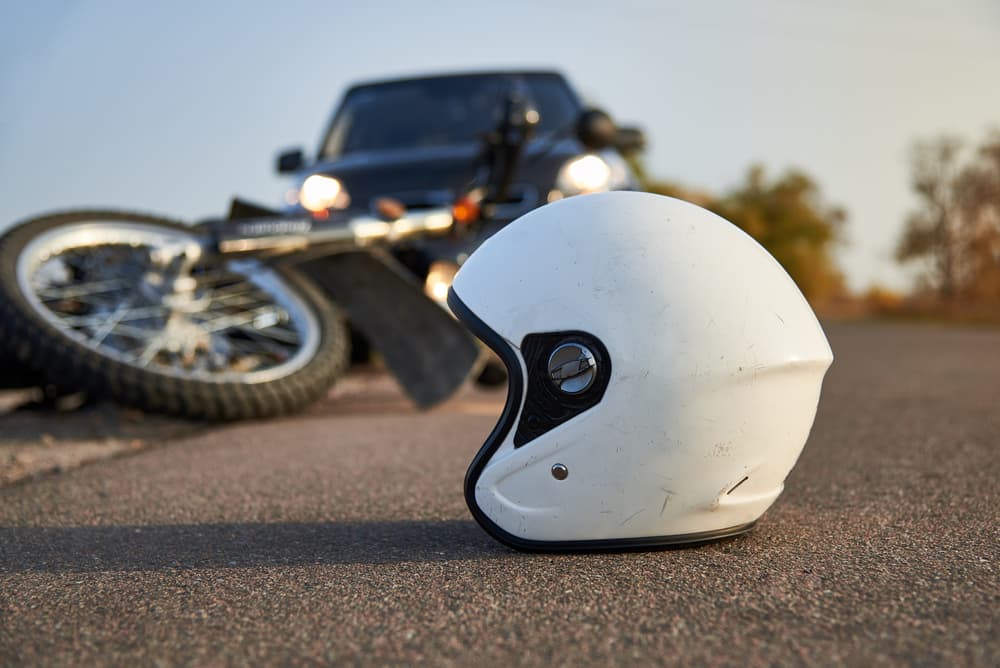
In places like Cincinnati’s I-75 merge zones or busy Louisville intersections, a quick glance isn’t enough. Drivers must be intentional when sharing the road with motorcycles.
Keep these actions in mind:
- Double-check blind spots—riders can vanish behind pillars or mirrors
- Look twice before turning at intersections, especially on green lights
- Always use turn signals clearly and early
- Leave more space behind motorcycles than you would a car
- Never rush to pass a rider—stay patient and predictable
These habits prevent sudden, avoidable collisions that often leave motorcyclists seriously injured.
When You Might Need a Lawyer After a Right of Way Crash
Even safe riders and careful drivers sometimes find themselves in devastating wrecks. That’s when legal help becomes more than useful—it becomes necessary.
Reach out if any of the following apply:
- You suffered injuries that needed hospital care or surgery
- There’s a dispute over who had the right of way
- The other driver blames you unfairly
- The insurance company delays or denies your claim
- Multiple vehicles were involved, making fault unclear
An attorney helps protect your rights, pushes back on bad-faith insurance tactics, and guides you toward the best possible financial recovery under state law.
FAQ for Motorcycle Right of Way
Can motorcycles ride between cars in traffic in Ohio and Kentucky?
Neither Ohio nor Kentucky permits lane splitting or filtering, meaning motorcycles cannot ride between lanes of traffic. Motorcycles must stay within their designated lane and follow the same traffic patterns as other vehicles. Attempting to split lanes can result in traffic citations and may affect fault determination if an accident occurs.
What happens if a car hits a motorcycle that had the right of way?
When a car strikes a motorcycle with clear right of way, the car driver typically bears primary responsibility for the accident. However, both Ohio and Kentucky use comparative negligence laws, meaning fault percentages can be assigned to each party. Even with right of way, motorcyclists must still operate safely and may share some responsibility if they were speeding excessively or violating other traffic laws.
Do motorcycles have to stop at four-way stop signs like cars?
Motorcycles must follow identical stop sign protocols as cars and trucks. At four-way stops, the first vehicle to arrive has right of way, regardless of vehicle type. If multiple vehicles arrive simultaneously, the vehicle on the right typically proceeds first. Motorcycles cannot treat stop signs as yield signs or use their smaller size to claim different right of way privileges.
How does motorcycle size affect right of way laws?
Vehicle size does not influence legal right of way under Ohio and Kentucky traffic laws. A motorcycle has identical legal rights to lane space and traffic priority as a large truck. However, motorcycle visibility challenges create practical safety concerns that both riders and other drivers must consider when asserting or yielding right of way in traffic situations.
Who pays medical bills after a motorcycle right of way accident?
Medical bill responsibility depends on fault determination and insurance coverage types. If another driver violated your right of way and caused the accident, their liability insurance should cover your medical expenses. However, your own insurance might initially pay through medical payments coverage or personal injury protection, then seek reimbursement from the at-fault party's insurer through subrogation processes.
Take Action to Protect Your Rights Today
Motorcycle accidents involving right of way disputes can devastate your life physically, emotionally, and financially. Insurance companies often try to minimize payments or deny valid claims, especially when motorcycles are involved. You need aggressive advocates who understand both traffic laws and insurance company tactics.
If you've been injured in a motorcycle accident in Cincinnati, Columbus, or anywhere in Ohio, contact O'Connor, Acciani & Levy immediately at (513) 241-7111 . For accidents in Covington, Florence, or throughout Kentucky, call (859) 581-8300. We offer free consultations and work on a contingency basis, meaning you pay nothing unless we win your case. Our experienced motorcycle accident attorneys are available 24/7 to fight for the maximum compensation you deserve. Don't let insurance companies take advantage of your situation. Call now to protect your rights and secure your future.
