You got on the bus expecting a routine ride—maybe to work, school, or a doctor’s appointment. Then everything changed. Now you're dealing with injuries, medical bills, and a lot of unanswered questions about what happens next.
You may be wondering what to do if you were injured as a passenger in a bus accident. You have rights, and you’re not alone if you aren’t sure what to do now. Passengers injured in bus accidents often find themselves stuck in the middle of a complicated legal and insurance mess, without any idea who is supposed to help or who might be responsible for their damages.
If your injuries were the result of an accident involving a city bus, school bus, shuttle, or private charter, your rights matter, and you may be eligible to pursue compensation for your injuries. Contact an experienced bus accident lawyer who can evaluate your claim and help you explore your legal options.
Schedule Your Free Consultation
Key Takeaways
- Bus passengers have the right to seek compensation when injured due to negligence.
- Common causes of accidents include driver error, mechanical failure, and other motorists.
- Liability may fall on a public agency, private company, or third-party driver.
- Injured passengers may recover damages for medical care, lost income, pain and suffering, and more.
- Special rules apply when the bus is government-owned, including shorter filing deadlines.
- Children injured on buses may be entitled to additional forms of compensation.
- A knowledgeable personal injury lawyer can handle the legal legwork and fight for full compensation on your behalf.
Bus Passengers Face Unique Risks in Accidents
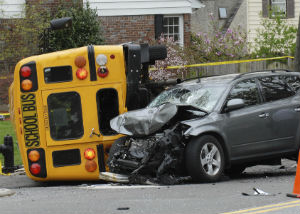
Buses are among the largest vehicles on the road, but that doesn't mean they're the safest for those riding inside. While drivers and passengers in private vehicles are protected by airbags and seat belts, bus passengers often have fewer safety features, especially on school buses or city transit buses. These vehicles are designed to transport large numbers of people, but not always with individual protection in mind.
Injuries in a bus accident can be severe even at low speeds. Common causes of injury include being thrown from your seat, colliding with metal poles or other passengers, or slipping while getting on or off the bus.
Who’s Most at Risk?
When a bus accident occurs, any passenger can suffer harm—but some individuals may face higher risks:
- Children on school buses
- Elderly passengers with mobility challenges
- Riders standing in crowded aisles
- People boarding or exiting the bus when an impact occurs
The physical consequences can be devastating if your bus collides with another vehicle, strikes an object, or tips over.
Common Causes of Bus Passenger Injuries
Bus accidents can result from many types of negligence, mechanical failure, or dangerous road conditions. Identifying the cause of the crash is critical because it helps determine who may be financially responsible for your injuries.
Driver negligence
Bus drivers are human, and they can make mistakes. Speeding, distracted driving, fatigue, or failure to yield can all lead to serious accidents. A careless bus driver can be held accountable, but their employer or contractor may also share liability.
Poor vehicle maintenance
Commercial buses must follow strict maintenance schedules, but corners can be cut. Bald tires, brake failure, and steering problems are all issues that can lead to dangerous crashes. When a mechanical failure causes harm, the company responsible for maintenance could be liable.
Third-party drivers
Not all bus accidents are the bus driver’s fault. Sometimes, a reckless driver in another vehicle causes the crash. In that case, the third party and their insurance provider might be responsible for compensating injured passengers.
Failure to adjust to dangerous road or weather conditions
Bus operators are expected to adapt to weather and road conditions. If a driver fails to adjust in poor visibility or on slick roads, they may be found negligent. In other cases, municipalities or contractors could be liable for poorly maintained roads or traffic signal malfunctions.
Who Can Be Held Liable for Your Injuries?
Liability in a bus accident isn’t always straightforward. Several parties may share responsibility depending on how the crash occurred and who owns or operates the bus.
Public transportation entities
If you were injured while riding a city or county bus, you may need to file a claim against a government agency. These cases follow different rules and often have shorter deadlines for filing a notice of claim.
Private bus companies
Charter buses, tour buses, and shuttles operated by private companies must carry commercial liability insurance. If the company or its driver caused the crash, you may be able to seek damages through a personal injury claim.
School districts and contractors
School bus accidents killed 128 people in the U.S. in one recent year, resulting in 104 deaths and representing a rise of nearly 25% over previous years, according to National Safety Council (NSC) analyses of federal bus crash data.
If your child was injured on a school bus, liability could fall on the school district, the private transportation company, or even a third-party driver. These cases can be complex due to overlapping jurisdictions and policies.
Other drivers or third parties
In some cases, another vehicle, pedestrian, or bicyclist may have caused or contributed to the crash. Multiple insurance policies may apply, and your attorney may need to pursue claims against more than one party.
What to Do Immediately After the Bus Accident
If you’ve already received medical care for your injuries or you are still undergoing treatment, you’ve taken an important first step toward protecting your health. But your physical recovery is only part of the picture when you plan to take legal action. What you do next can seriously impact your ability to recover compensation for your injuries, expenses, and suffering.
If you haven’t been medically evaluated after the accident, seek medical attention as soon as possible. Some injuries, including traumatic brain injuries (TBIs), internal bleeding, and soft tissue damage, can take hours or even days to appear or fully develop. Getting evaluated by a doctor ensures that any hidden injuries are identified and documented, which is essential for both your well-being and any future legal claim.
Once you’ve addressed your medical needs, there are other critical steps you should take to strengthen your case and protect your rights.
- Hire a lawyer as soon as possible
An experienced injury attorney will manage communication with insurers, investigate the accident, and begin building a claim that fully reflects your damages. Waiting too long to seek legal help could result in lost evidence, missed deadlines, or reduced leverage in negotiations. - Keep all medical appointments and follow treatment instructions
Insurance companies often use gaps in treatment or missed appointments to argue that your injuries aren’t serious. Sticking to your medical plan not only supports your recovery but also helps establish a clear connection between the accident and your condition. - Create a written or video journal of your recovery
Your daily experiences matter. Keeping a log of your symptoms, pain levels, emotional struggles, and treatment milestones provides valuable insight into how the injury has affected your life. These personal records can be compelling evidence for pain and suffering in a legal claim. - Preserve evidence and documentation
Hold on to any photos you took at the scene, contact information from witnesses, medical bills, prescription receipts, and insurance correspondence. These documents help your attorney calculate damages and establish liability. - Direct all insurance calls to your lawyer
If you receive a call from an insurance company or adjuster, especially from the bus company or another driver, do not provide a recorded statement or accept any offer. Simply refer them to your attorney, who can protect your interests and prevent any missteps that could be used against you. - Avoid posting about the accident on social media
Even innocent updates or photos can be taken out of context and used to question your credibility. It’s best to stay off social media entirely until your claim is resolved.
Taking these steps early can make a substantial difference in the outcome of your case. The more evidence and documentation you have, the stronger your claim will be and the more likely you are to receive full compensation for what you’ve endured.
How Does Insurance Work After a Bus Passenger Injury?
Filing an insurance claim after a bus accident isn’t the same as dealing with insurance matters after a typical car crash. Bus passengers usually file third-party claims because they weren’t driving or at fault. Insurance options and issues after a bus accident may include:

Insurance through the bus operator
Every bus must carry liability insurance, whether it is public, private, or government-operated. These policies often include coverage for passenger injuries. You or your attorney may need to file a claim directly with the bus company’s insurer.
Claims against another driver
If a third-party driver caused the crash, their personal auto policy may be the target of your claim. These cases can be slower and more contentious, especially if that driver denies fault.
When multiple passengers are injured
Buses often carry many passengers. If multiple people are injured in a single incident, claims may exceed policy limits. That’s why it’s important to file quickly and have legal representation that can assert your rights early in the process.
Types of Compensation You May Be Able to Recover
As a passenger, you’re almost never considered at fault in a bus crash. That means your legal claim is usually focused on recovering full and fair compensation for the harm you’ve suffered. The value of your claim depends on many factors, including how badly you were hurt, who is liable, and what long-term effects your injury may have.
Medical expenses
You may be able to recover all current and future medical costs related to your injuries, such as:
- Emergency transport and treatment
- Hospitalization and surgery
- Medications and medical devices
- Physical therapy and rehabilitation
If your condition requires long-term care, those costs should also be factored into your claim.
Lost income and reduced earning ability
If your injuries forced you to miss work or made it impossible to return to your job, you may be entitled to pursue compensation for lost wages and diminished future earnings.
Pain and suffering
Bus crashes can leave lasting physical and emotional scars. Courts recognize the real impact of chronic pain, trauma, and mental distress. You may be able to seek non-economic damages that account for the ways your life has changed after the accident.
Other compensable losses
Depending on your situation, your claim may also include compensation for:
- Disfigurement or disability
- Loss of enjoyment of life
- Travel costs related to treatment
- Assistance with daily tasks or home care
Each case is unique. An attorney can help calculate the full extent of your losses so you don’t leave money on the table.
Schedule Your Free Consultation
Can You Sue the Bus Company or Transit Authority?
Sometimes, filing an insurance claim isn't enough. If the bus company or driver refuses to take responsibility or if the insurance offer doesn’t come close to covering your costs, you may need to pursue a lawsuit.

If you were injured on a government-run bus, you may file a lawsuit against the government agencies and public transportation authorities, but the legal process involves additional hurdles. Some states require you to file a formal notice within 60 to 180 days of the accident. Missing that deadline can block your case from moving forward.
For bus accidents involving privately owned vehicles, the state’s statute of limitations will apply. Each state has a deadline for filing a personal injury claim. For instance:
- In Ohio, the statute of limitations for personal injury lawsuits is two years from the date of the accident.
- In Kentucky, the statute of limitations generally provides passengers one year to file a lawsuit.
These deadlines vary, and exceptions may apply depending on the circumstances, especially when a government entity is involved. That’s why acting quickly and getting legal advice early can make all the difference.
When Children Are Hurt in Bus Accidents
When a child is injured in a bus accident, the situation calls for extra care and legal attention. Children are still developing physically, emotionally, and cognitively, which means the full impact of an injury may not be immediately known.
Whether the accident involves a school bus, a youth transportation service, or other type of bus, legal claims involving minors must account not only for the cost of immediate medical treatment, but also for how the injury might affect the child’s education, future earning capacity, and emotional well-being over time.
In addition, the legal process for pursuing compensation on a child’s behalf typically involves court oversight and special procedures to protect the child’s best interests.
Parents or legal guardians typically bring the claim on behalf of the child. Compensation for a child’s bus injuries may include:
- Medical and psychological treatment
- Long-term therapy
- Educational assistance
- Pain and suffering
- Future loss of earning potential
In some states, the statute of limitations may be extended for child injury claims, but it’s still wise to seek the help of an experienced bus accident lawyer and document everything.
Why Legal Representation Matters in Bus Passenger Injury Cases
Bus accident claims involve multiple layers of liability, overlapping insurance policies, and unique filing deadlines, especially when government vehicles are involved. Most passengers simply don’t have the time, experience, or access to resources to manage this on their own.
An experienced injury lawyer can:
- Investigate the crash and collect evidence
- Identify all potential sources of liability
- Handle complex paperwork and insurance claims
- Represent you in negotiations or court
- Maximize your compensation while you focus on healing
Bus companies, transit agencies, and their insurers have lawyers working to minimize what they will have to pay injured passengers. You deserve someone just as experienced and dedicated on your side if you were injured because of someone else’s negligence.
Ready to Discuss Your Legal Options? Contact O’Connor, Acciani & Levy Today
If you were injured while riding a bus in Ohio or Kentucky, whether on a public transit route, school bus, or private charter, you likely have legal options. The consequences of a serious injury can follow you for months or even years. That’s why you need a legal team that knows how to handle these complicated cases—and fights to get you every dollar you’re entitled to.

At O’Connor, Acciani & Levy, we have more than 200 years of combined legal experience helping injury victims across Cincinnati, Columbus, Covington, and Florence. Our team guides each client with compassion and respect while providing aggressive representation in handling negligent parties.
We offer free consultations, and you won’t pay anything unless we win your case. Call us 24/7:
- Cincinnati, OH: (513) 224-5461
- Columbus, OH: (614) 545-5162
- Covington, KY: (859) 581-8300
- Florence, KY: (859) 581-7993
You can also contact us online. Let us fight for full and fair compensation while you focus on your recovery. We’re here when you need us—online, by phone, or in person.
