The difference between walking away from a car accident and facing a lifetime of disability often comes down to the size of the vehicle that hit you. When a commercial tractor-trailer strikes a passenger car on I-75, I-71, or anywhere along Cincinnati's congested freight corridors, the weight disparity alone creates forces that passenger vehicles are not built to absorb.
The resulting injuries frequently fall into a category the legal system calls catastrophic. These are injuries that permanently alter how you live, work, and function. A Cincinnati truck accident lawyer who handles catastrophic cases may help you pursue compensation that accounts for decades of medical care, lost income, and the personal losses that follow a life-changing collision.
If you or a loved one suffered a severe injury in a truck crash, consulting an attorney early may help protect your rights while the evidence is still available.
What Types of Catastrophic Injuries Result From Cincinnati Truck Accidents?
The force generated by a commercial truck collision far exceeds what passenger vehicle safety systems are built to handle. Crumple zones, airbags, and seatbelts absorb a fraction of the energy, leaving the occupants to bear the rest. The injuries that result tend to be permanent, progressive, or both.
The Most Common Catastrophic Truck Accident Injuries
Victims of truck crashes on Cincinnati's highways and surface streets frequently suffer injuries that require years of treatment and fundamentally change their daily lives. The most commonly reported catastrophic injuries from commercial truck collisions include:
- Traumatic brain injuries (TBI) ranging from severe concussions to diffuse axonal injuries that permanently impair memory, cognition, and motor function
- Spinal cord damage resulting in partial or complete paralysis, including paraplegia and quadriplegia
- Amputations or the permanent loss of use of one or more limbs
- Severe burn injuries from fuel fires or chemical exposure that require skin grafts, reconstructive surgery, and long-term wound care
- Crush injuries to the chest, pelvis, or lower extremities that cause permanent organ damage or skeletal deformity
Each of these injuries carries a distinct medical trajectory, and the treatment costs often extend across the remainder of the victim's life. A legal claim that accounts only for the initial hospital stay misses the vast majority of what a catastrophic injury actually costs.
Injuries That Develop Over Time
Not every catastrophic injury reveals itself immediately. Traumatic brain injuries may present as mild headaches or confusion in the first few days, only to develop into lasting cognitive impairment weeks later. Internal hemorrhaging may go undetected without advanced imaging.
Spinal injuries that initially appear stable may worsen as swelling progresses. Seeking a thorough medical evaluation promptly after a truck crash and following all recommended treatment creates a documented record that ties your condition to the collision.
Why Do Truck Accidents in Cincinnati Cause More Severe Injuries Than Car Crashes?
The physics of a commercial truck collision create forces that passenger vehicles and human bodies are not equipped to withstand. Cincinnati's position at the junction of I-71, I-75, and I-74 concentrates heavy freight traffic through a compact urban corridor, and the Brent Spence Bridge carries a particularly dense volume of tractor-trailers connecting Ohio and Kentucky.
Weight, Speed, and Stopping Distance
A loaded semi-truck traveling at 60 miles per hour generates roughly 20 times more kinetic energy than a passenger car at the same speed. That energy transfers almost entirely into the smaller vehicle during a collision.
Commercial trucks also require significantly more distance to stop than passenger vehicles, particularly when brake maintenance has lapsed or the truck is carrying a heavy or improperly loaded freight.
Underride and Override Crashes
Some of the most devastating truck accidents in the Cincinnati area involve underride collisions, where a passenger car slides beneath the rear or side of a trailer, or override crashes, where a truck climbs over a smaller vehicle from behind.
Both types bypass the car's structural safety features and strike the passenger compartment directly. Federal law requires rear underride guards on most trailers under 49 CFR Part 393.86, but many guards in service may not withstand the forces generated in a moderate-to-high-speed collision.
Who May Be Held Liable for a Catastrophic Truck Accident Injury in Cincinnati?
Catastrophic truck accident claims in Cincinnati often involve multiple defendants, each carrying separate insurance coverage. Identifying every responsible party broadens the pool of available compensation, which matters significantly when the injury requires a lifetime of medical care.
Potentially Liable Parties in a Cincinnati Truck Crash
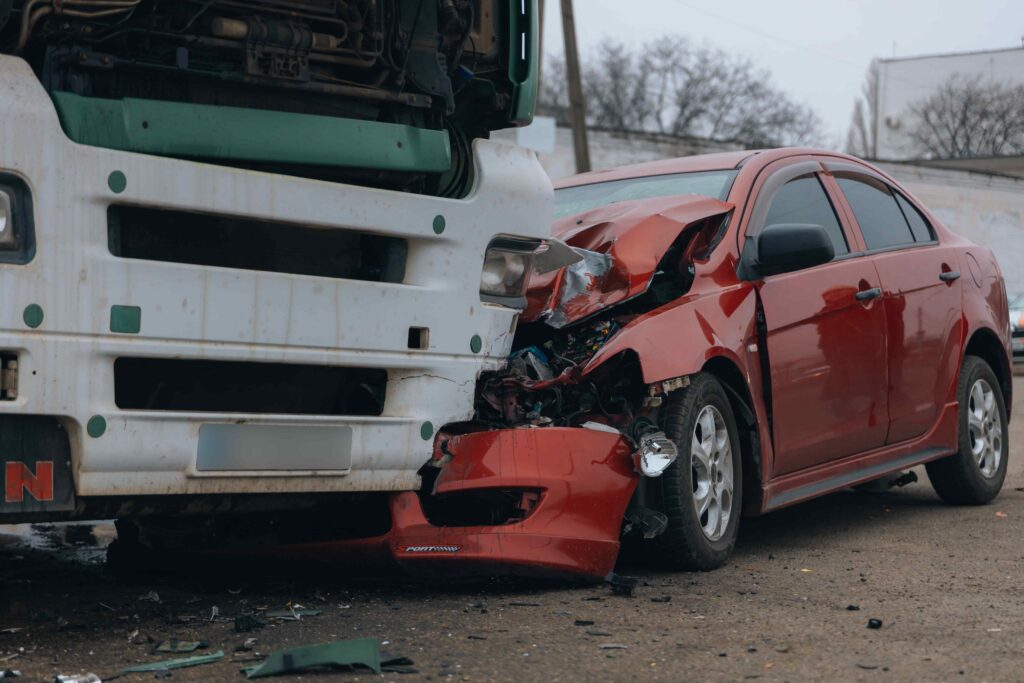
A thorough investigation into a catastrophic truck accident may reveal negligence by several parties beyond the driver. The most commonly liable defendants include:
- The truck driver, for fatigue, distraction, impairment, or violation of federal hours of service regulations
- The trucking company, for negligent hiring, failure to monitor driver compliance, or pressuring drivers to skip rest breaks
- A third-party maintenance contractor, for substandard brake repairs or incomplete vehicle inspections
- A cargo loading company, for improperly securing freight that shifted during transit and affected the truck's handling
- A parts manufacturer, for producing a defective brake caliper, tire, or other safety component
Under the respondeat superior doctrine, an employer may be held liable for the negligent acts of its employees performed within the scope of their job duties. This principle frequently applies to trucking companies whose drivers cause catastrophic crashes while hauling freight through Cincinnati and the surrounding Hamilton County area.
What Compensation May a Catastrophic Truck Accident Claim in Cincinnati Recover?
The financial impact of a catastrophic truck accident injury may extend across every area of a victim's life for decades. Ohio law allows injured parties to seek both economic and non-economic damages from the responsible parties, and the value of a catastrophic claim often reaches into the millions.
Economic Damages
Economic damages cover the measurable financial losses that flow from your injury. In catastrophic truck accident cases, these figures tend to be substantially higher than standard injury claims because the treatment and support needs may last a lifetime. The most common categories of economic damages include:
- Past and future medical expenses, including surgeries, hospital stays, rehabilitation, medications, and assistive devices such as wheelchairs and prosthetics
- Lost wages from the time you missed work during treatment and recovery
- Reduced earning capacity if your injury permanently limits or eliminates your ability to work
- Home modification costs, such as wheelchair ramps, accessible bathrooms, and widened doorways
- Ongoing personal care assistance, including in-home nursing, physical therapy, and occupational therapy
Calculating these damages accurately requires projecting costs over your expected lifetime. Life care planners, vocational experts, and economists often provide testimony in catastrophic cases to help a jury understand the full financial scope of the injury.
Non-Economic Damages
Non-economic damages address the personal toll of your injury, including pain and suffering, emotional distress, loss of enjoyment of life, and loss of consortium. Ohio imposes caps on non-economic damages in most personal injury cases under Ohio Revised Code § 2315.18, though exceptions exist for injuries involving permanent and substantial physical deformity, loss of a bodily organ, or permanent physical functional injury. Many catastrophic truck accident injuries qualify for these exceptions.
How Does Ohio's Comparative Negligence Rule Affect a Catastrophic Truck Accident Claim?
Ohio follows a modified comparative negligence system under Ohio Revised Code § 2315.33. A court or jury assigns a percentage of fault to each party, and your compensation is reduced by your share of that fault. If your fault exceeds 50 percent, Ohio law bars you from recovering any compensation at all.
Protecting Your Recovery Against Fault Allegations
Insurance carriers defending catastrophic truck accident claims have a powerful financial incentive to shift blame onto you. Defense teams may argue that you were speeding, distracted, or failed to take evasive action.
In catastrophic cases where the damages may reach millions of dollars, even a 10 percent fault allocation may reduce your recovery by hundreds of thousands. Strong evidence gathered early, including accident reconstruction, dashcam footage, the truck's event data recorder, and ELD records, helps your attorney counter those arguments.
Filing Deadlines Under Ohio Law
Under Ohio Revised Code § 2305.10, you have two years from the date of the accident to file a personal injury lawsuit. Trucking companies may destroy certain compliance records after as little as six months under federal retention rules, so beginning the legal process early helps preserve the evidence your catastrophic claim depends on.
How O'Connor, Acciani & Levy Handles Catastrophic Truck Accident Cases in Cincinnati
Catastrophic truck accident claims require an attorney who understands both the medical complexity of severe injuries and the federal regulations that govern commercial trucking operations.
O'Connor, Acciani & Levy has represented injury victims in Cincinnati, Hamilton County, and throughout the Ohio and Northern Kentucky tri-state region for more than 27 years, and the firm's attorneys have helped recover tens of millions of dollars for clients harmed in truck collisions.
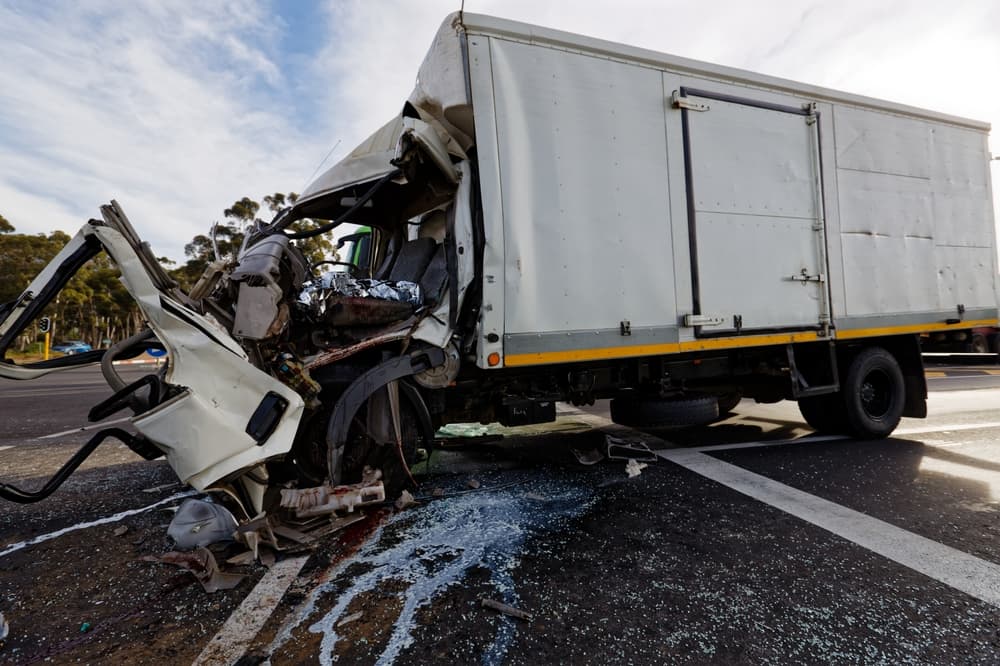
Past results do not guarantee future outcomes, but the firm's record reflects a sustained commitment to serious injury cases.
Projecting Lifetime Costs With Medical and Vocational Professionals
The legal team works with life care planners, neurologists, orthopedic specialists, vocational rehabilitation experts, and economists to project the full cost of your catastrophic injury across your expected lifetime.
That thorough approach helps prevent a settlement that covers only your current bills while ignoring the decades of treatment, rehabilitation, and support you may still need.
No Upfront Cost to Get Started
O'Connor, Acciani & Levy handles catastrophic truck accident cases on a contingency fee basis. You pay nothing unless the firm recovers compensation for you. The Cincinnati headquarters at 600 Vine St, Suite 1600, offers free case evaluations to local residents.
FAQs for Cincinnati Truck Accident Lawyers
What qualifies as a catastrophic injury in an Ohio truck accident case?
The term generally refers to injuries that permanently impair a person's ability to live independently, work, or perform daily activities. Common examples include traumatic brain injuries, spinal cord damage resulting in paralysis, amputations, severe burns, and crush injuries.
How long do I have to file a catastrophic truck accident lawsuit in Cincinnati?
Under Ohio Revised Code § 2305.10, you have two years from the date of the accident to file a personal injury lawsuit. However, trucking companies may destroy certain records after six months, so consulting a Cincinnati truck accident lawyer early helps preserve the evidence your claim depends on.
Who may be held liable for a catastrophic truck accident in Cincinnati?
Liability may extend to the truck driver, the trucking company, a third-party maintenance contractor, a cargo loading company, or a parts manufacturer. Each defendant typically carries a separate insurance policy, and pursuing all responsible parties broadens the pool of available compensation.
What if I am partially at fault for the truck accident that caused my injuries?
Ohio follows a modified comparative negligence rule under Ohio Revised Code § 2315.33. You may still recover compensation if your share of fault is 50 percent or less, but your award is reduced by your fault percentage. If your fault exceeds 50 percent, Ohio law bars recovery entirely.
What types of compensation may I recover after a catastrophic truck accident?
Ohio law allows you to pursue economic damages such as medical expenses, lost wages, reduced earning capacity, and home modification costs, as well as non-economic damages such as pain and suffering and loss of enjoyment of life. Ohio imposes caps on non-economic damages under Ohio Revised Code § 2315.18, though exceptions apply for permanent and severe injuries.
Contact a Cincinnati Truck Accident Lawyer About Your Catastrophic Injury Claim Today
The medical bills from a catastrophic truck accident injury do not stop when the initial treatment ends. They continue with every follow-up surgery, every rehabilitation appointment, every wheelchair replacement, and every hour of personal care assistance for years to come.
The trucking company's insurer already has a legal team working to limit what it pays, and the longer you wait to act, the harder it becomes to preserve the records that prove what happened and why.
O'Connor, Acciani & Levy has the local presence in Cincinnati and the experience with catastrophic truck accident cases to pursue the full range of compensation Ohio law allows. Contact the firm for a free consultation and take the first step toward building a claim that reflects the true lifetime impact of your injury.
