One moment, you’re in control — wind in your face, road beneath your tires — and the next, everything seems broken. Not just your helmet, not just your bike, but your sense of who you are and how you’ll live from here on out. A brain injury after a motorcycle accident doesn’t always show itself right away, but it has a way of reshaping your life in ways you never saw coming.
Brain injuries are some of the most misunderstood and under-compensated injuries that motorcyclists face. The effects are often invisible, complex, and unpredictable. If you were injured by a negligent driver, a personal injury attorney experienced in representing motorcycle riders and brain injury victims can make a meaningful difference in your recovery, both medically and financially.
Schedule Your Free Consultation
Key Takeaways
- Brain injuries from motorcycle accidents often appear invisible at first, but symptoms can grow worse with time and carry long-term consequences.
- Diagnosis terms like “mild” or “moderate” do not accurately predict the outcome of a brain injury and should not determine the value of your claim.
- CT scans and MRIs often fail to detect TBIs; symptoms and expert evaluations play a key role in building your case.
- Helmet use may impact fault in some states; however, not wearing one does not automatically mean you're to blame for your injuries.
- A personal injury lawyer can work with medical and financial experts to reveal the full extent of your injury's impact, both now and in the future.
- Long-term care costs, therapy, vocational losses, and home modifications should all be factored into your compensation.
- Lawyers help you overcome lowball offers from insurance companies and secure maximum compensation for your injuries and losses.
- If you or a loved one suffered a brain injury in a motorcycle crash, an experienced attorney can protect your future and fight for full and fair compensation.
What Makes Motorcycle-Related Brain Injuries So Complex?
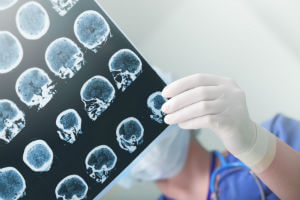
Motorcyclists are particularly vulnerable on the road. Unlike drivers in passenger vehicles, they have very little physical protection in a crash. When a rider is thrown from their bike, they often strike the ground or other objects head-first, causing direct trauma to the brain, even if there are no visible wounds.
Head injuries don’t always look like emergencies
In many cases, motorcycle crash victims walk away thinking they’re fine, only to later experience memory problems, dizziness, headaches, or mood swings. These are classic signs of a traumatic brain injury (TBI), but they often go unnoticed or undiagnosed for days, weeks, or even months.
Diagnosis is based on symptoms, not scans
TBIs don’t always show up on imaging tests like CT scans or MRIs. Instead, doctors rely on behavioral changes and patient reports to assess the extent of the injury. That means you might not get a full diagnosis unless your symptoms are well-documented and closely monitored.
“Mild” can still mean lifelong consequences
You may hear the term “mild traumatic brain injury” (mTBI), but that label can be misleading. It only refers to the initial symptoms, not the long-term outcome. People with so-called “mild” TBIs can still struggle for years with cognitive issues, fatigue, light sensitivity, or depression. In other words, there’s nothing mild about living with a brain injury.
Why Prognosis Doesn’t Match Diagnosis
Many people assume that a less serious diagnosis means a quicker recovery. That’s not always the case with TBIs. This is because:
- A patient diagnosed with a “mild” brain injury could later develop chronic issues like memory loss or migraines.
- Someone diagnosed with a “severe” brain injury may regain most or all of their function with the right care and rehabilitation.
- The same injury can affect two people in completely different ways depending on age, health, genetics, and support systems.
That’s why brain injuries after motorcycle accidents require both immediate care and long-term planning. Without both, you risk settling for far less than your case is worth.
Helmet Laws and How They Affect Motorcycle Injury Claims
Helmet use is one of the most significant factors in motorcycle brain injury cases. Whether you were wearing a helmet can affect the way insurance companies and courts view your claim.
Ohio and Kentucky helmet laws
- In Ohio, motorcycle helmet laws require riders under 18 and those with a temporary permit are required to wear helmets. Passengers on motorcycles operated by these riders must wear helmets too.
- In Kentucky, motorcyclist helmet laws require any rider under 21, or those with an instruction permit or riding for less than one year, must wear helmets.
For adult riders in both states, helmet use is often optional. However, not wearing a helmet can still affect your case, especially when it comes to the legal concept of comparative negligence.

Most states, including Ohio and Kentucky, follow a comparative negligence model. This means your compensation can be reduced if you’re found partially at fault for your injuries.
- Ohio follows a modified comparative fault rule with a 51% bar. If you’re more than 50% at fault, you can’t recover any compensation.
- Kentucky uses a pure comparative fault system, where you can still recover damages even if you’re 99% at fault, but your recovery will be reduced by your percentage of fault.
Not wearing a helmet doesn’t automatically mean you’re at fault. However, the insurance company may argue that you contributed to the severity of your injuries by choosing not to wear one.
An experienced lawyer can push back on those arguments, using expert testimony to demonstrate how the crash, not your helmet status, caused your brain injury.
How a Lawyer Helps Reveal the True Cost of a Brain Injury
Traumatic brain injuries often present lifelong consequences. But insurance companies frequently undervalue them, especially when symptoms are subtle or delayed. A motorcycle accident lawyer can bring in the right professionals to calculate the real cost of your injury, not just the immediate medical bills and the minimal amount the insurance companies hope you will accept.
Building a team of experts
Lawyers who handle TBI cases work closely with medical experts, neurologists, neuropsychologists, and life care planners. These professionals help:
- Document symptoms that don’t appear on MRIs or CT scans
- Analyze how the injury affects your ability to work, drive, or live independently
- Project the future costs of care, therapy, lost income, and support services
Without this expert input, it’s easy to underestimate how much your case is worth and accept a settlement that doesn’t meet your needs.
Proving non-economic damages
Some of the biggest losses after a brain injury aren’t financial. They’re personal. You may struggle to enjoy relationships, handle stress, or feel confident in your own memory and decision-making. These non-economic damages include:
- Loss of enjoyment of life
- Emotional distress
- Cognitive impairment
- Personality changes
Insurance companies rarely account for these without a fight. A skilled attorney will work to document these changes through interviews, expert reports, and testimony from family members.
Helping you reach maximum medical improvement (MMI)
In personal injury cases, maximum medical improvement is a key milestone. It refers to the point at which your condition has stabilized and is unlikely to improve further. Until you reach MMI, it’s difficult to calculate your total damages.
Insurance companies often pressure injured riders to settle before their recovery is fully understood, especially in brain injury cases where symptoms evolve over time and may require much more compensation.
A good lawyer will push back against those offers and make sure your case isn’t resolved too soon. That doesn’t mean you’ll wait years to receive compensation. Instead, your attorney will build your claim with input from medical experts, who can help forecast future needs, such as long-term care, rehabilitation, and loss of income if your TBI affects your job or occupation.
Any settlement should reflect the true scope of your injury, even before you reach maximum medical improvement. Settling too soon can leave you paying out-of-pocket for care you didn’t know you would need. Legal guidance helps protect you from that risk.
The Long Road to Rehabilitation After a TBI
Recovery after a motorcycle-related brain injury isn’t just about time in the hospital. It often requires ongoing rehabilitation, including long-term therapy, lifestyle adjustments, and support from specialists in both physical and cognitive recovery.
Many survivors face occupational challenges after brain injury, needing support to relearn everyday skills or return to meaningful routines. For many people, this recovery is neither quick nor ever complete.
What that recovery looks like can vary widely, but many survivors benefit from a combination of ongoing care, including:
- Occupational therapy to relearn daily tasks
- Speech therapy for communication challenges
- Physical therapy for balance, coordination, or mobility
- Mental health counseling for anxiety, depression, or PTSD
Some individuals will need in-home care or supervision for years. Others may return to independence but struggle with sensory sensitivity, fatigue, or focus issues that affect their daily life.
What recovery actually costs
When you add up all the necessary services — medical visits, prescriptions, therapy sessions, adaptive devices, lost income, and future medical needs — the financial impact can reach hundreds of thousands or even millions of dollars.
A personal injury settlement needs to reflect that full picture. Your attorney will work with life care planners and economists to calculate:
- Future lost wages or reduced earning capacity
- Long-term care needs
- Modifications to your home or vehicle
- The cost of ongoing therapy and treatment
Without this kind of professional input, insurance companies often rely on generic projections that don’t reflect your specific situation.
Emotional and cognitive adjustments
Beyond physical symptoms, many survivors of brain injuries face emotional and behavioral challenges. You may notice mood swings, increased frustration, depression, or anxiety. Even small changes in how you think or process information can affect your relationships and ability to live independently.
These invisible effects often have just as much or more impact than physical impairments. Recognizing and documenting these changes is essential in proving the full extent of harm after a TBI.
Schedule Your Free Consultation
Returning to Work Isn’t Always Possible After a Motorcycle Accident TBI
After a brain injury, returning to your old job may not be realistic. Even if your body recovers, cognitive issues can interfere with your ability to perform complex tasks, multitask, or manage stress.
Re-entering the workforce

Some TBI survivors retrain for new types of work, often through structured vocational rehabilitation programs that address both cognitive limitations and job-readiness. These services can be essential for those who face significant occupational and functional limitations after a brain injury. Others may qualify for Social Security Disability benefits due to permanent impairments.”
In either case, if your future earning potential is permanently altered, your claim should reflect that.
Documenting work-related losses
Lost income is only part of the story. Many people lose job-related benefits like health insurance, retirement contributions, or bonuses. Others are forced to take lower-paying jobs that don’t reflect their previous skill set. A lawyer will calculate all of these financial setbacks when building your case, often with the help of economic experts and employment specialists.
Emotional impact of career disruption
Losing your ability to work can affect more than your finances. Many people struggle with identity loss, isolation, or decreased self-worth after leaving a career. This emotional toll is real, and it can significantly diminish your overall recovery. A complete personal injury claim should always consider these non-economic damages.
Legal Strategy in Brain Injury Litigation
Brain injury cases are often more challenging to prove than other injury claims because of their invisibility. They demand a deliberate, evidence-driven legal strategy.
Why TBI cases require more proof
Juries and insurance adjusters can be skeptical of brain injuries without obvious physical signs. That’s why attorneys must present compelling evidence such as:
- Expert witness testimony from neurologists, neuropsychologists, and life care planners
- Medical records documenting changes over time
- Testimony from family and coworkers who can speak to your cognitive or personality changes
- Objective testing, such as memory assessments or cognitive evaluations
This layered approach helps connect your symptoms directly to the crash and ensures they’re not dismissed as unrelated or exaggerated.
Countering insurance company tactics
Insurance companies are notorious for downplaying brain injuries, especially when the injury was labeled “mild” or there was no loss of consciousness. Common tactics insurers use to diminish their liability include:
- Arguing your symptoms are psychological, not physical
- Suggesting your memory or focus problems are due to stress or age
- Claiming your injuries existed before the crash
- Offering early settlements before the true cost is clear
An experienced personal injury lawyer will know how to counter these arguments using expert evaluations and clear documentation.
The importance of expert witnesses
Expert witnesses are often the backbone of a strong brain injury case. They bring credibility and clarity to complicated medical issues. Whether it’s a neurologist explaining the mechanics of brain trauma or a life care planner projecting your future needs, these experts help establish the seriousness of your injury and the scale of your damages. Your lawyer will know which experts to hire and how to present their testimony effectively.
What to Look for in a Brain Injury Lawyer
Not every personal injury lawyer is equipped to handle a brain injury case, especially one involving a complex or highly contested motorcycle accident, where additional layers of When choosing an attorney, look for someone who:
- Has direct experience handling brain injury cases
- Knows how to work with medical experts and life care planners
- Has a strong litigation track record
- Takes a personalized approach to your situation
You’re not just seeking compensation. You’re seeking support for your long-term health, financial security, and quality of life.
Get the Legal Support You Need After a Motorcycle Brain Injury
A motorcycle accident can disrupt everything you’ve built — your job, your relationships, your independence. When a brain injury is involved, the stakes are even higher. You need more than treatment. You need an advocate who understands the road ahead and will fight to make sure you’re supported every step of the way.

The attorneys at O’Connor, Acciani & Levy have decades of experience holding negligent drivers and insurance companies accountable for life-changing injuries. We know the hidden costs of traumatic brain injuries and how to prove them, and we don’t back down from a challenge.
We offer free consultations and handle personal injury claims on a contingency fee basis. This no-win, no-fee guarantee means you pay us nothing for our services unless we win your case. Whether you’re in Ohio or Northern Kentucky, you can speak with an experienced motorcycle accident lawyer today to learn your rights and explore your options.
Call us today:
- Cincinnati, OH: (513) 224-5461
- Columbus, OH: (614) 545-5162
- Covington, KY: (859) 581-8300
- Florence, KY: (859) 581-7993
We're available 24/7 and can meet you at home or in the hospital if needed. Don’t wait to get the help you need. Let O’Connor, Acciani & Levy fight for your recovery.
