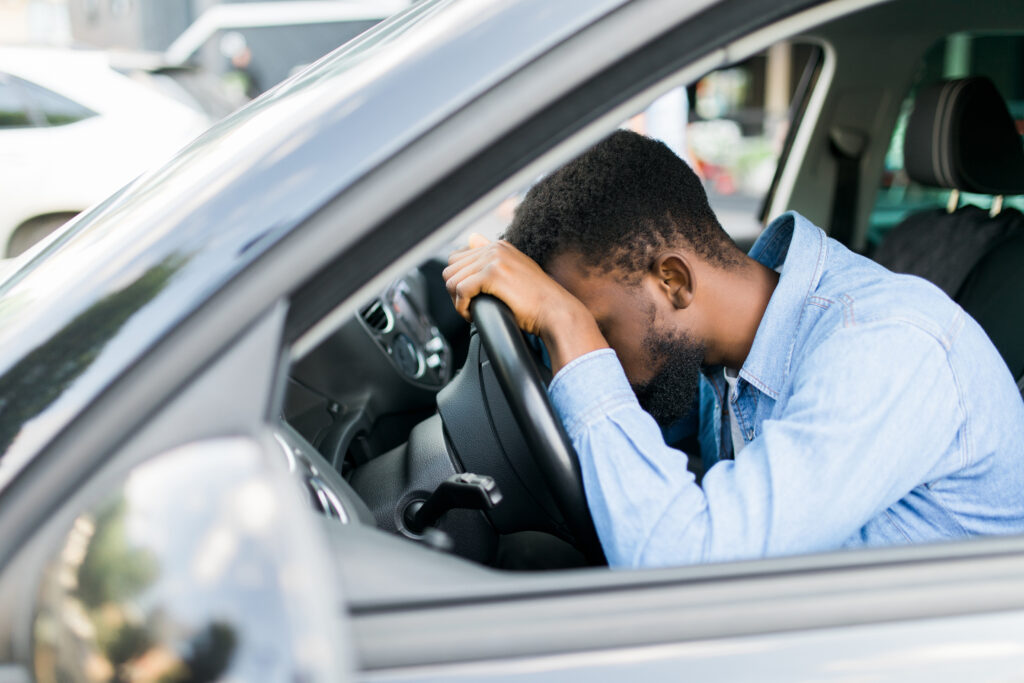
Fatigued drivers are a serious threat on the road, as exhaustion impairs reaction time, judgment, and focus. When a driver falls asleep or becomes overly drowsy while behind the wheel, they can easily cause collisions, including rear-end crashes, single-vehicle accidents, side-impact collisions, and multi-vehicle pileups. These accidents often lead to serious injuries such as head trauma, broken bones, spinal injuries, internal damage, and psychological effects like anxiety or PTSD.
At O’Connor, Acciani & Levy, our Cincinnati car accident lawyer team helps victims of fatigued driving accidents pursue the compensation they deserve. We handle every aspect of your case, from collecting evidence and medical records to negotiating with insurance companies or filing a lawsuit if necessary. By pursuing a claim or lawsuit, we work to secure compensation for medical expenses, lost income, property damage, pain and suffering, and any long-term impacts resulting from the accident—providing you with the support you need to focus on your recovery.
For a free case evaluation and legal consultation, please call our office headquarters at (513) 224-5461 or contact us online right away.
Fast Facts: Fatigued Driving Car Accident Cases
• Fatigue Impairs Driving: Drowsy drivers experience slower reaction times, poor judgment, and reduced focus, increasing the risk of collisions.
• Common Accident Types: Rear-end crashes, side-impact (T-bone) collisions, single-vehicle accidents, and multi-vehicle pileups are frequent in fatigued driving cases.
• Typical Injuries: Victims may suffer head or brain trauma, spinal injuries, broken bones, internal organ damage, soft tissue injuries, and psychological effects such as anxiety or PTSD.
• Proving Negligence: Key evidence includes police reports, eyewitness testimony, vehicle data, medical records, and expert analysis linking driver fatigue to the accident.
• Available Compensation: Claims may cover medical bills, future medical care, lost income, loss of earning capacity, property damage, pain and suffering, and long-term disability.
• Settlement vs. Litigation: Compensation can be pursued through insurance negotiation or by filing a lawsuit when fair settlements are not offered.
• Legal Support: Our car accident lawyers handle all aspects of your case, from gathering evidence and negotiating with insurance companies to filing lawsuits if necessary, ensuring the best chance of full recovery.
• Focus on Recovery: By letting our team manage your case, you can concentrate on healing while we pursue the compensation you need.
How Do Fatigued Drivers Cause Car Crashes?
Driver fatigue is a serious factor in traffic accidents, often comparable to driving under the influence of alcohol. When a driver is excessively tired, their ability to focus, react, and make sound decisions is severely impaired. Fatigue can result from long hours behind the wheel, lack of sleep, shift work, or extended periods of monotonous driving. As alertness declines, so does the driver’s ability to maintain lane position, judge distances, and respond to sudden hazards, significantly increasing the risk of accidents.
Types of Car Crashes Caused by Fatigue
- Rear-End Collisions – Fatigued drivers often experience delayed reaction times. This delay can prevent them from braking promptly when the vehicle in front slows or stops, leading to rear-end collisions. These crashes frequently result in whiplash injuries and property damage.
- Single-Vehicle Accidents – Drowsy drivers may drift out of their lanes or off the road entirely. Single-vehicle accidents often occur when a car leaves the roadway, hitting guardrails, trees, or other fixed objects. Falling asleep at the wheel is a particularly dangerous scenario that can result in catastrophic crashes and serious injuries for passengers.
- Side-Impact or T-Bone Crashes – When fatigue reduces alertness at intersections, drivers may fail to notice traffic signals or stop signs, leading to side-impact or T-bone collisions. These accidents are especially dangerous because the sides of vehicles provide less protection than the front or rear.
- Multi-Vehicle Pileups – On highways, fatigued drivers can cause chain-reaction accidents. Slower reactions or sudden lane changes can trigger a domino effect involving multiple vehicles, often resulting in serious injuries or fatalities.
Most Common Injuries in a Fatigued Driving Car Crash
Head and Brain Injuries
Victims of car accidents caused by fatigued drivers are at high risk for head and brain injuries. These can range from concussions to more severe traumatic brain injuries (TBIs). When a driver falls asleep or loses control of a vehicle, collisions can be sudden and forceful, often causing victims to strike their heads on the steering wheel, dashboard, or windows. TBIs can lead to long-term cognitive, emotional, and physical impairments that may require extensive medical treatment and rehabilitation.
Spinal Cord and Neck Injuries
Spinal cord injuries are another common result of accidents involving fatigued drivers. Sudden impacts or whiplash from rear-end collisions can damage the vertebrae, discs, or spinal nerves. Victims may experience partial or complete paralysis, chronic pain, or limited mobility. Neck injuries, including whiplash, are especially frequent in rear-end collisions and can lead to ongoing stiffness, headaches, and reduced range of motion.
Broken Bones and Fractures
Broken bones are frequently seen in crashes caused by drowsy drivers. The force of impact can fracture arms, legs, ribs, or the collarbone. High-speed collisions or rollovers often result in multiple fractures, which can require surgery, physical therapy, and extended recovery periods.
Internal Injuries
Accidents caused by fatigued drivers may also result in internal injuries. Damage to organs such as the liver, spleen, or lungs can occur due to blunt force trauma. Internal bleeding may not be immediately apparent, making prompt medical evaluation critical.
Soft Tissue Injuries
Soft tissue injuries, including sprains, strains, and bruising, are common in nearly all types of car accidents. While these injuries are often less visible, they can cause significant pain, limit mobility, and require ongoing physical therapy.
Psychological Injuries
Victims may also experience psychological injuries after a crash caused by a fatigued driver. Post-traumatic stress disorder (PTSD), anxiety, and depression can develop, particularly after severe or life-threatening accidents.
Proving Negligence in a Fatigued Driving Car Accident Case
Establishing Duty of Care
To prove negligence in a car accident caused by a fatigued driver, the first step is to show that the driver owed a duty of care. Every driver has a legal obligation to drive safely and responsibly. This duty includes staying alert, following traffic laws, and avoiding actions that can endanger others on the road. Demonstrating that the driver breached this duty is essential for a successful negligence claim.
Showing Breach of Duty
A breach occurs when the driver fails to meet the standard of care expected. In fatigued driving cases, evidence that the driver was drowsy, had been awake for an extended period, or ignored warning signs of exhaustion can establish this breach. Testimony from witnesses, statements from passengers, or admissions from the driver can help demonstrate that fatigue directly contributed to unsafe driving behaviors such as swerving, delayed braking, or falling asleep at the wheel.
Causation and Connection to the Accident
Once duty and breach are established, it is necessary to prove that the driver’s fatigue caused the accident. Accident reconstruction reports, police reports, and traffic camera footage can illustrate how the crash occurred and link it to the driver’s impaired alertness. Medical records showing the severity of injuries may also support claims of causation by documenting the force and circumstances of the collision.
Helpful Types of Evidence
Key evidence in a fatigued driving accident case includes eyewitness statements, dashcam or surveillance footage, vehicle data from event recorders, and communication records showing the driver’s schedule or sleep patterns. Expert testimony from accident reconstruction specialists and medical professionals can further strengthen the claim by explaining how fatigue contributed to the crash and resulting injuries.
Demonstrating Damages
Finally, establishing the impact of the accident is essential. Detailed medical records, repair estimates, and documentation of lost income or diminished quality of life can quantify the damages caused by the fatigued driver’s negligence. Combining these elements provides a comprehensive case that supports the claim for compensation.
Settling or Litigating a Car Crash Case Involving Fatigued Driving
Settling
After a car accident caused by a fatigued driver, many victims have the option to pursue a settlement with the at-fault driver’s insurance company. Settling a case outside of court can be faster and less stressful than litigation. Negotiation typically involves presenting evidence of the accident, the driver’s fatigue, and the injuries sustained. Victims (through their attorneys) can submit medical records, repair estimates, and documentation of lost income to support a fair compensation demand. Insurance companies often prefer settlements because they avoid the costs and uncertainties associated with a trial. However, settlement offers may initially be lower than the full value of damages, so careful evaluation and negotiation are crucial.
Lawsuits
If a fair settlement cannot be reached, filing a lawsuit is another option. Litigation allows the victim to take the case to court, where a judge or jury can determine liability and damages. Through the litigation process, plaintiffs can formally present evidence such as accident reports, witness testimony, expert analysis, and proof of medical and financial losses. Filing a lawsuit can be more time-consuming and costly than negotiating a settlement, but it may result in higher compensation, especially in cases involving severe injuries or disputed liability.
Hybrid Approaches
In many cases, our car accident attorneys at O’Connor, Acciani & Levy pursue a hybrid approach. We may begin with settlement negotiations while preparing for potential litigation. This approach can encourage the insurance company to offer a more reasonable settlement, knowing that the case can proceed to court if necessary.
Ultimately, whether to settle or litigate depends on the specifics of the accident, the severity of injuries, the available evidence, and the willingness of the insurance company to negotiate. Our experienced car accident attorneys can help you evaluate your options and determine the best course of action to secure fair compensation.
What Damages Are Recoverable in a Fatigued Driving Car Accident Claim or Lawsuit?
Medical Expenses
One of the primary types of compensation in a car accident claim caused by a fatigued driver is coverage for medical expenses. It includes costs for emergency treatment, hospital stays, surgeries, doctor visits, medications, and ongoing rehabilitation or physical therapy. Compensation may also cover future medical care if the injuries are expected to require long-term treatment.
Lost Income and Loss of Earning Capacity
Victims may also recover compensation for lost income if the accident caused them to miss work. It includes both the time missed immediately after the accident and any extended periods of recovery. In cases where injuries permanently limit a victim’s ability to earn income, claims can also include compensation for loss of earning capacity, which accounts for long-term impacts on career and income potential.
Property Damage
Car accidents caused by fatigued drivers often result in property damage, typically to the victim’s vehicle. Compensation may cover repair or replacement costs.
Pain and Suffering
Pain and suffering refers to compensation for physical and emotional distress caused by the accident. It can include chronic pain, reduced quality of life, emotional trauma, anxiety, and depression. Pain and suffering damages are intended to account for the broader impact of injuries beyond medical bills and lost income.
FAQs: Fatigued Driving Car Collisions
Q: What is a fatigued driving car accident?
A: A fatigued driving car accident occurs when a driver falls asleep, becomes drowsy, or loses focus while operating a vehicle, leading to a collision. Fatigue impairs reaction time, decision-making, and attention, increasing the risk of serious crashes.
Q: What types of injuries can result from these accidents?
A: Victims may suffer head or brain injuries, spinal or neck injuries, broken bones, internal injuries, soft tissue damage, and psychological effects like anxiety or PTSD. Severity can range from minor injuries to long-term disability.
Q: How can negligence be proven in a fatigued driving car accident case?
A: Negligence can be established by showing the driver owed a duty of care, breached that duty through fatigue, and caused the accident and resulting injuries. Helpful evidence includes police reports, eyewitness statements, vehicle data, medical records, and expert testimony.
Q: How can your lawyers help?
A: Our experienced car accident lawyers handle all aspects of your case, from gathering evidence and negotiating with insurance companies to filing a lawsuit if necessary. We pursue fair compensation for medical expenses, lost income, property damage, pain and suffering, and other damages.
Talk with an Experienced Car Accident Lawyer Today
At O’Connor, Acciani & Levy, our Cincinnati personal injury lawyer team will fight aggressively to pursue the financial compensation you need in your fatigued driving car accident case.
For a free case evaluation and legal consultation with a knowledgeable car crash attorney, please call our office headquarters at (513) 224-5461 or contact us online.
