Your own Uninsured Motorist (UM) coverage typically pays for damages in a hit and run accident when the at-fault driver remains unidentified. While the initial shock of a collision often turns into frustration when you realize the other driver fled, you likely have options for financial recovery within your own insurance policy.
Many drivers in Ohio and Kentucky carry coverage specifically designed to stand in the place of a missing or uninsured at-fault party. A personal injury lawyer helps victims identify these policies, gather necessary evidence, and demand fair payment from insurance carriers who often attempt to minimize these specific types of claims.
Key Takeaways for Damages in a Hit and Run Accident
- Uninsured Motorist coverage often treats a hit-and-run driver as an uninsured driver.
- Ohio UM policies often require independent corroborating evidence if no physical contact occurred between vehicles.
- Kentucky residents may use Personal Injury Protection (PIP) for immediate medical expenses regardless of fault.
- Insurance companies may attempt to deny claims by arguing the accident was a solo crash due to driver error.
- Strict time limits apply to notifying your insurer and filing a lawsuit, even if the other driver is unknown.
Understanding Uninsured Motorist Coverage
Uninsured Motorist coverage serves as the primary source of compensation for most victims of hit-and-run crashes. When a driver flees the scene, the law generally treats them as if they have no insurance. Your UM policy steps into the shoes of the absent driver.
This means your insurance company acts as the opposing liability carrier. You present your claim to them just as you would to the at-fault driver's insurer. They review the medical records, assess the property damage, and offer a settlement based on the policy limits you purchased.
Many drivers assume that using this coverage will automatically skyrocket their premiums. However, Ohio and Kentucky laws prohibit insurers from raising rates solely because a policyholder files a claim for an accident that was not their fault.
If the investigation confirms the other driver caused the crash and fled, your rates generally remain protected. A lawyer reviews the specific language of your policy to verify these protections and confirms the carrier applies the correct fault determination to your file.
What’s the Difference Between Uninsured Motorist and Underinsured Motorist Coverage?
Policyholders often confuse UM with Underinsured Motorist (UIM) coverage. Your UM applies when the other driver lacks insurance or, in this case, cannot be found. Your UIM applies when the other driver is identified but carries insufficient limits to cover the total cost of your injuries.
In a hit-and-run scenario, you rely primarily on the UM portion. If the police later identify the driver and that person has minimum limits, the claim might shift to a combination of the driver’s liability policy and your UIM coverage.
What Types of Compensation Can I Recover After a Hit and Run Accident?
Recovering damages in a hit and run accident often involves more than just fixing a crumpled bumper. The financial impact of a collision may ripple through your life, affecting your income, your physical capabilities, and your daily comfort.
When you file a UM claim, you have the right to demand compensation for the same losses you would claim in a lawsuit against the at-fault driver. The insurance company must evaluate the full extent of the harm rather than just the immediate emergency room bills.
Your recoverable damages may include specific items such as:
- Medical Expenses: You can recover costs for emergency care, surgeries, physical therapy, chiropractic sessions, and necessary medications.
- Lost Wages: A UM claim covers the income you lost while recovering from your injuries and missing time at work.
- Reduced Earning Capacity: If a permanent disability prevents you from returning to your previous job or limits your future career options, you may receive compensation for that gap in income.
- Pain and Suffering: This non-economic damage accounts for physical discomfort, emotional distress, and the loss of enjoyment of daily activities.
- Property Damage: Your insurer may pay for vehicle repairs or the fair market value of your car if the damage results in a total loss when your policy includes coverage for that type of loss.
Evidence That Strengthens Your Claim
Your lawyer must prove the existence and negligence of the other driver to trigger UM benefits. Insurance adjusters inherently view hit-and-run claims with skepticism. They may suspect fraud or assume the policyholder simply lost control of the vehicle.
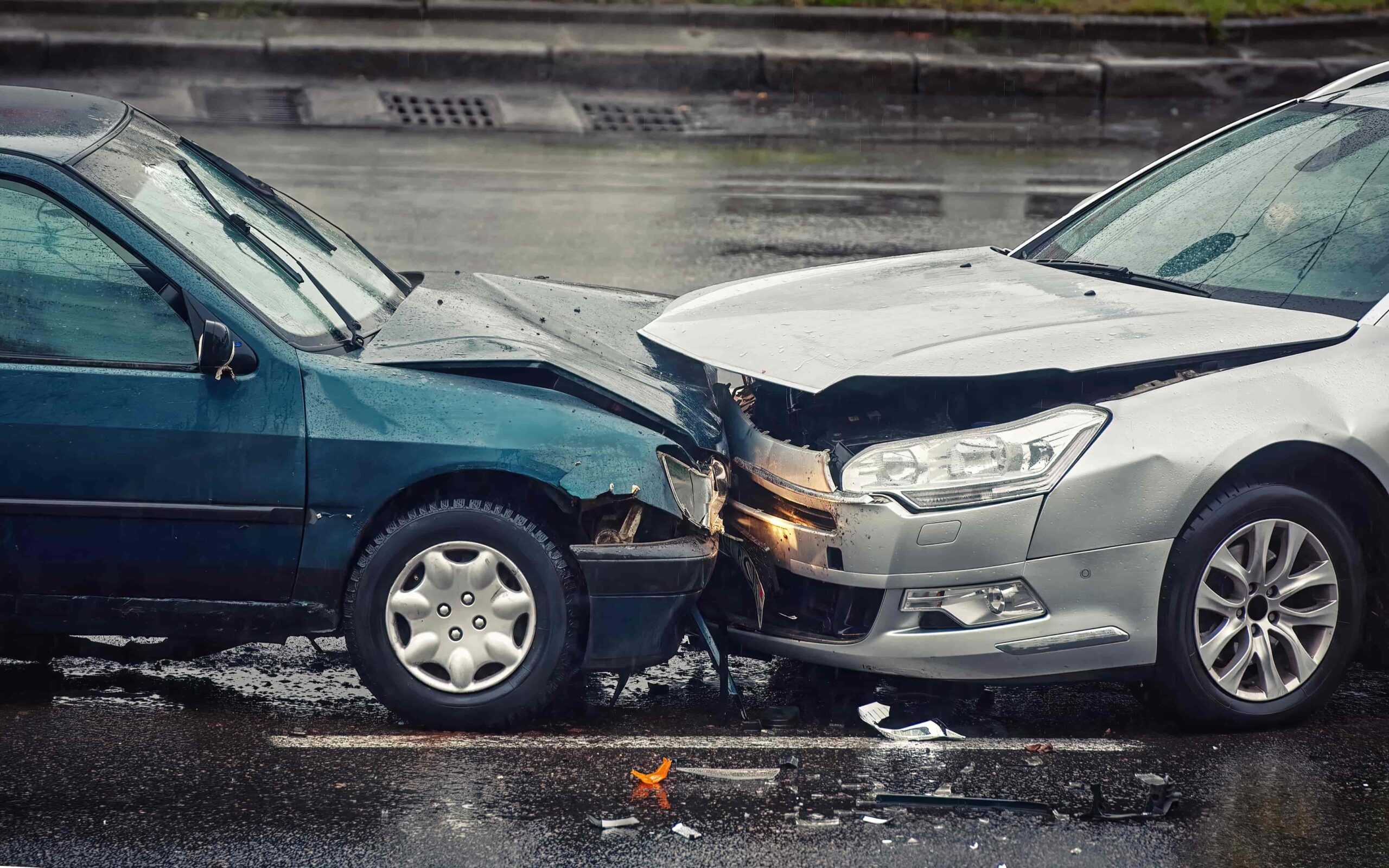
Overcoming this skepticism requires a robust collection of physical and testimonial evidence. A lawyer helps you compile this data quickly before rain washes away skid marks or businesses delete surveillance videos.
Common examples include:
- Photos of the Scene: Images of skid marks, debris patterns, and your vehicle's resting position provide context for how the collision occurred. A lawyer uses these photos to reconstruct the angle of impact.
- Surveillance Footage: Traffic cameras on surrounding roads, business surveillance cameras, or even doorbell cameras might have captured the incident.
- Witness Statements: Independent accounts from pedestrians or other motorists serve as powerful verification. A witness can confirm a second vehicle existed and fled, which helps satisfy requirements in many policies.
- Paint Transfer: Foreign paint on your vehicle’s bodywork offers strong proof of contact with another vehicle.
Insurance Company Strategies in Hit-and-Run Claims
Insurance companies operate as businesses focused on profit margins. Even though you pay premiums for protection, your own insurer essentially becomes your adversary during a UM claim. They may employ specific strategies to reduce the value of your damages in a hit and run accident.
One common tactic is to delay the investigation. Adjusters might wait weeks to inspect vehicle damage or request endless rounds of medical authorizations. These delays strain your finances and may pressure you into accepting a lower settlement just to pay immediate bills.
The insurance adjuster might also scrutinize your medical history, attempting to attribute your current pain to pre-existing conditions rather than the recent impact.
The Challenge of Phantom Vehicles
A phantom vehicle accident occurs when a driver causes a crash without hitting your car—for instance, if they cut you off and force you into a guardrail. This often happens on highways like I-75 or I-71 in Cincinnati, when a reckless driver merges aggressively, forcing you to swerve.
While you successfully avoided the reckless driver, you may have hit a barrier or another vehicle. Since no contact occurred with the at-fault car, proving liability becomes significantly harder.
In Ohio, obtaining coverage for a non-contact accident typically requires independent corroborating evidence. The testimony of the claimant alone usually isn’t enough.
You often need additional evidence beyond your own statement, such as a witness or video evidence that clearly shows the other vehicle’s actions. Kentucky law also presents hurdles for these claims, often requiring physical contact under many UM policies.
A personal injury lawyer constructs a case that meets these strict evidentiary standards, often employing accident reconstruction experts to analyze tire marks and road conditions to prove that another vehicle forced you off the road.
What Happens if the Police Find the Driver?
Law enforcement officers actively investigate hit-and-run reports. If they locate the fleeing driver, the complexion of your case changes. You may now have the option to pursue a claim against that driver’s liability insurance.
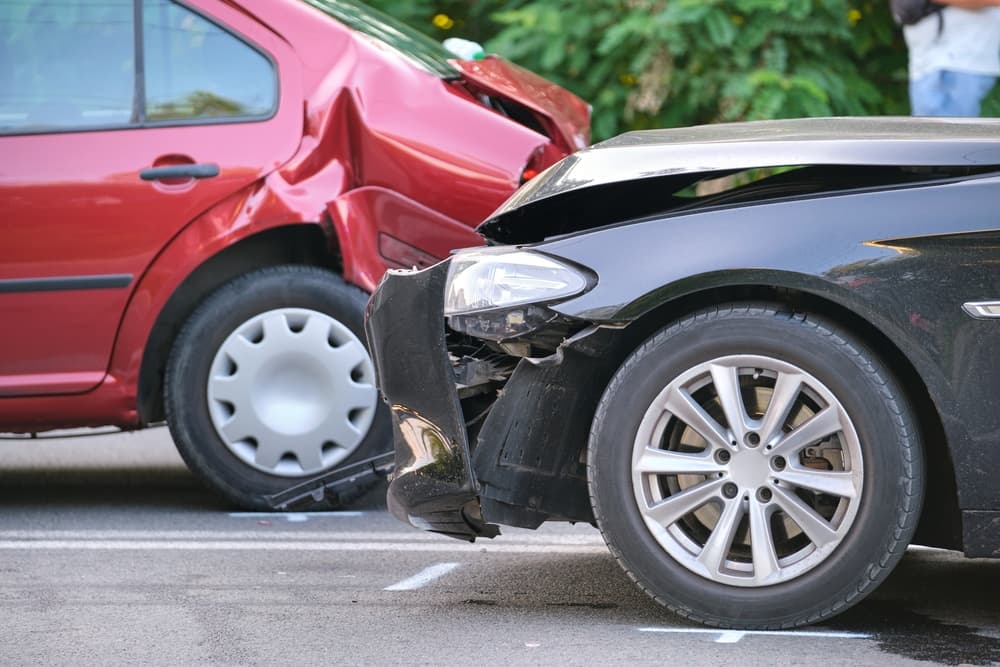
However, drivers who flee the scene often do so because they lack valid insurance, have a suspended license, or were under the influence. If the apprehended driver has insurance, your lawyer pursues their carrier first. If their limits do not cover your full damages, your UIM coverage then applies.
If the driver is uninsured, you revert to your UM coverage. The criminal charges against the driver—such as leaving the scene of an accident or other serious offenses—can strengthen your civil claim.
A guilty verdict or plea in traffic court serves as strong evidence of fault. Your attorney monitors the criminal proceedings and obtains certified copies of court records to leverage during settlement negotiations.
How a Personal Injury Attorney Maximizes Your Settlement
Handling a hit-and-run claim involves more than simply filling out forms. It requires a strategic approach to valuation, evidence, and negotiation. An attorney can manage the complex interactions between multiple insurance policies and legal statutes for you.
Here’s how a personal injury lawyer can help you secure the full value of your claim rather than the minimum offer the insurer presents:
- Calculating Future Damages: Lawyers work with medical and vocational professionals to estimate the long-term cost of injuries. This ensures the settlement covers future surgeries or years of lost income, not just past bills.
- Uncovering Hidden Coverage: Attorneys investigate every possible insurance source. This includes checking for umbrella policies, employer-held policies if the victim was working, and resident-relative coverage that the victim might overlook.
- Handling Liens: Health insurers and hospitals often place liens on settlement funds. A lawyer negotiates these liens down, helping put more of the settlement money into your pocket rather than back to a health insurance company.
- Litigating Bad Faith Denials: If an insurance company denies a valid claim without a reasonable basis, a lawyer can file a bad faith lawsuit. This pressure often compels the insurer to re-evaluate its position and offer a fair settlement.
FAQ for Damages in a Hit and Run Accident
Can A Passenger File A Claim?
Passengers injured in a hit and run usually have the right to seek compensation. You typically file a claim against the insurance policy of the driver who was transporting you. If that driver’s UM limits don’t fully cover your medical bills, you may be able to file a claim under your own auto insurance policy or a family member’s policy.
A lawyer can identify which policy provides primary coverage and which provides secondary coverage to maximize available funds.
Will Filing a Hit and Run Claim Raise My Insurance Rates?
Generally, filing a UM claim for a hit-and-run shouldn’t raise your insurance rates in Ohio or Kentucky, provided the accident wasn’t your fault. State laws protect consumers from rate hikes due to the negligence of others.
Can I Claim Damages in a Hit and Run Accident for Emotional Distress?
You may be able to recover compensation for emotional distress as part of your non-economic damages. The trauma of a collision, especially one where the other driver shows a disregard for your safety, can cause significant anxiety and mental anguish.
Your UM policy typically covers pain and suffering, which includes these emotional impacts.
How Do Pedestrians Recover Damages In A Hit And Run Accident?
Pedestrians struck by fleeing drivers can often access Uninsured Motorist benefits through their own auto insurance policies. Even though you were walking and not driving, your car insurance typically follows you. If you do not own a car, you might find coverage under a policy held by a resident relative.
Do I Need a Police Report for a Hit and Run Claim?
A police report is vital for a hit-and-run claim. Most insurance policies require you to report the accident to law enforcement as soon as practicable to trigger UM benefits. Without an official report, the insurance company has strong grounds to argue the accident didn’t happen as described or was a solo crash.
Secure Your Recovery
A hit-and-run accident may leave you with questions, bills, and the frustration of injustice, but you don’t have to face the insurance companies alone. The legal team at O'Connor, Acciani & Levy understands the tactics insurers use to undervalue claims and knows how to fight for the compensation you need.
We can investigate the crash, handle the paperwork, and demand the maximum recovery available under the law. Take control of your situation today. Contact O'Connor, Acciani & Levy online for a free consultation. Let us review your policy and help you move forward.
